
Als Amazon-Partner verdiene ich an qualifizierten Verkäufen.
Finde deine perfekte Tin Whistle
Ob du kompletter Anfänger bist oder diesen cineastischen „Riverdance“-Klang suchst — wir haben die besten Whistles getestet, damit du die richtige findest.
Unsere Top-Empfehlungen
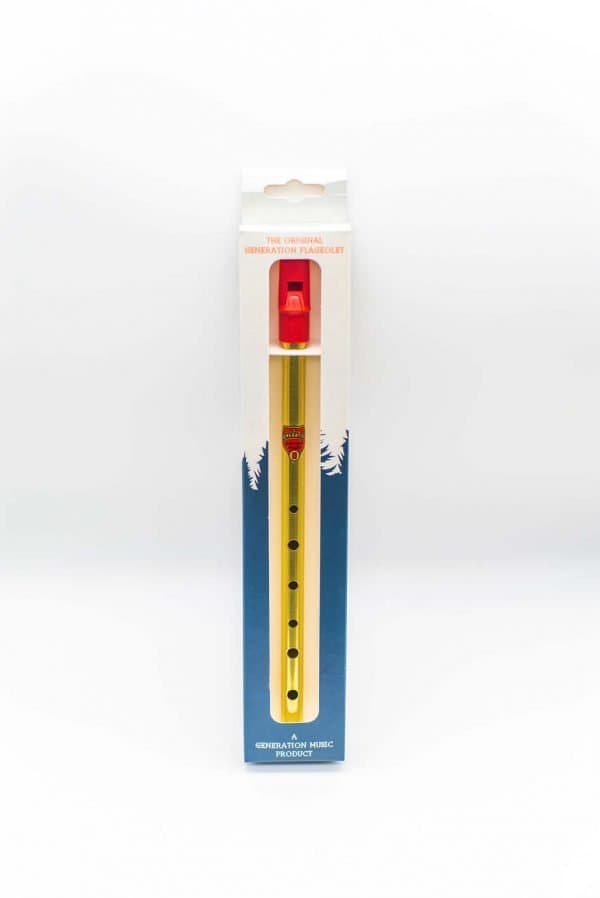
Generation Original
D • High • Nicht stimmbar
The ubiquitous whistle found in every Irish gift shop. When good, they are excellent; when bad, they can be scratchy. iconic “chiff” sound.
Vorteile
- The classic Irish sound
- Extremely cheap
- Widely available
Nachteile
- Quality control varies (some can be scratchy)
- Not tunable
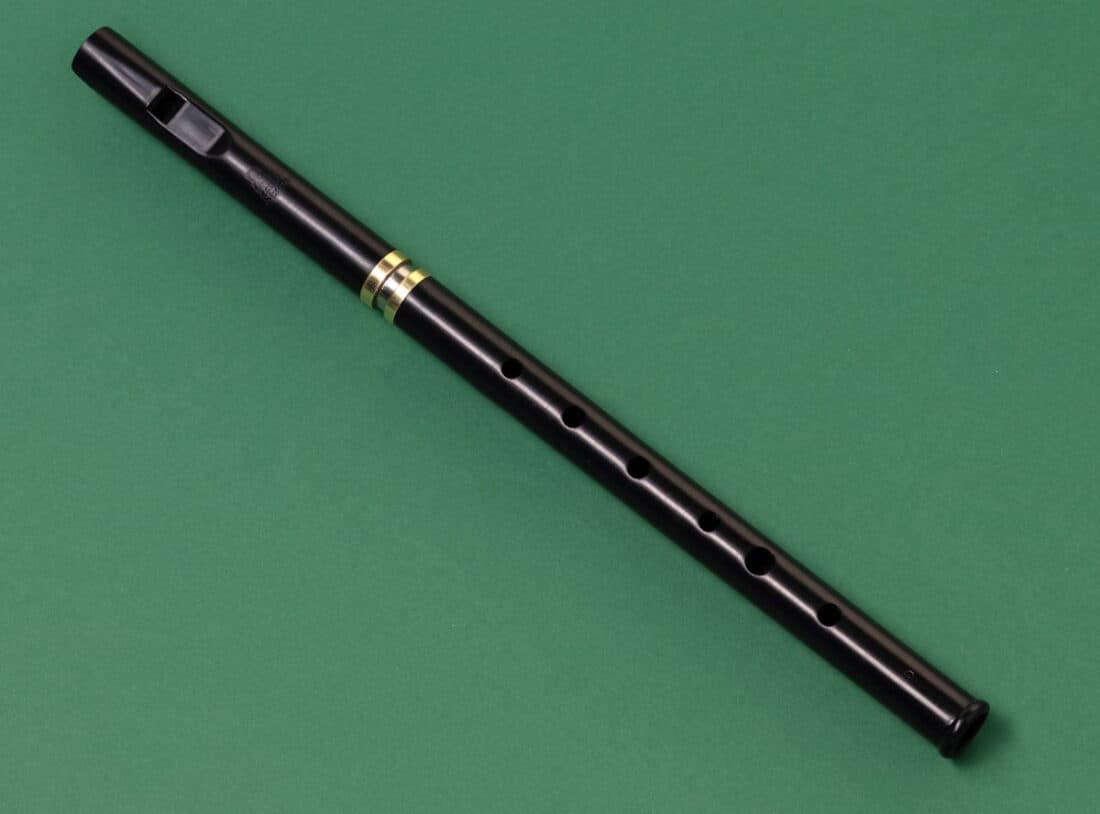
Tony Dixon DX005
D • High • Stimmbar
A fantastic bridge between budget toys and professional instruments. The tuning slide is a game-changer for playing with others.
Vorteile
- Tunable slide
- Very consistent tone
- Modern look and feel
Nachteile
- Some find the tone "too plain" (lacks dirty chiff)
- Polymer can be slippery
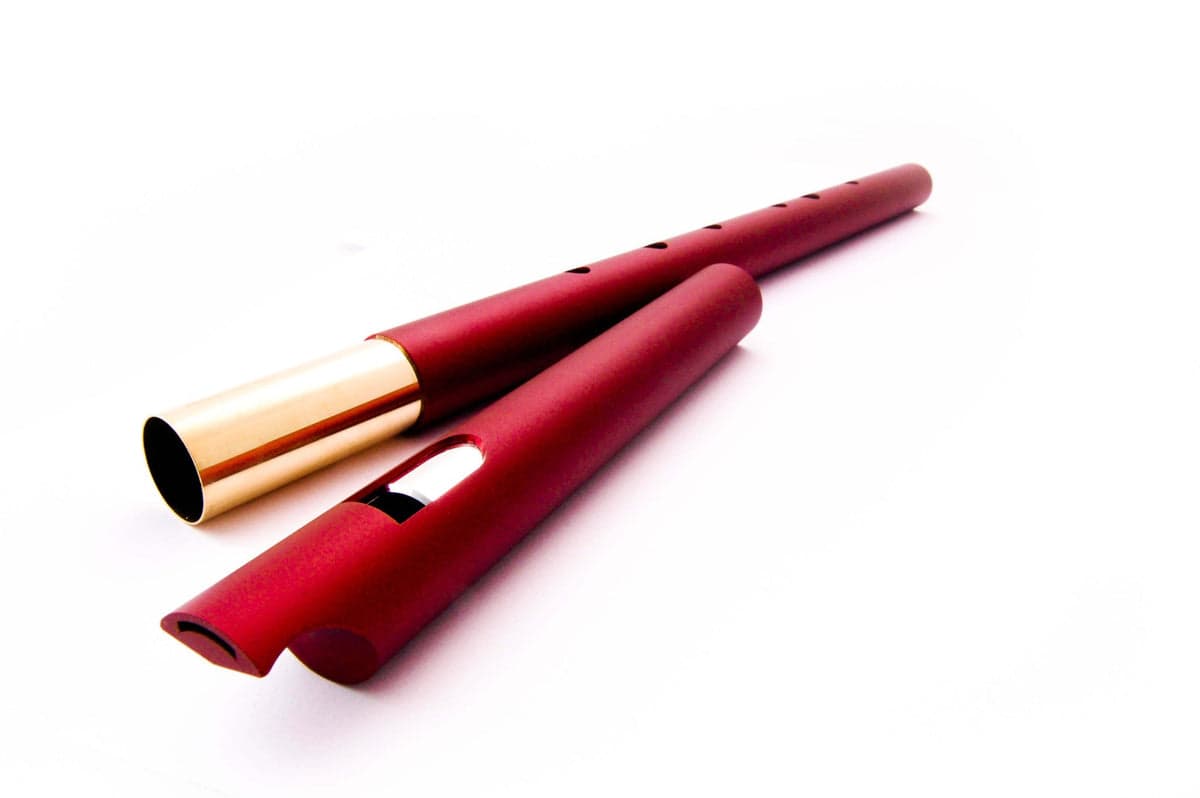
MK Pro Low D
Low D • Low • Stimmbar
If you hear a low whistle on a movie soundtrack, it’s probably this one. It has a distinctive "cosmic" drainpipe tone that is absolutely mesmerizing.
Vorteile
- The gold standard for low whistles
- Indestructible
- Looks amazing
Nachteile
- Expensive investment
- Hole spacing requires "piper’s grip"
Schnellauswahl nach Empfehlung
Wähle nach deinem Ziel
Generation Original
D • High • Nicht stimmbar
The ubiquitous whistle found in every Irish gift shop. When good, they are excellent; when bad, they can be scratchy. iconic “chiff” sound.
Vorteile
- The classic Irish sound
- Extremely cheap
- Widely available
Nachteile
- Quality control varies (some can be scratchy)
- Not tunable

Feadóg Original Irish
D • High • Nicht stimmbar
A solid alternative to Generation, often found to be slightly more consistent in manufacturing. Made in Dublin since 1978.
Vorteile
- Slightly more consistent than Generation
- Made in Ireland
- Very affordable
Nachteile
- Can still be shrill in upper octave
- Plastic head seam can be sharp
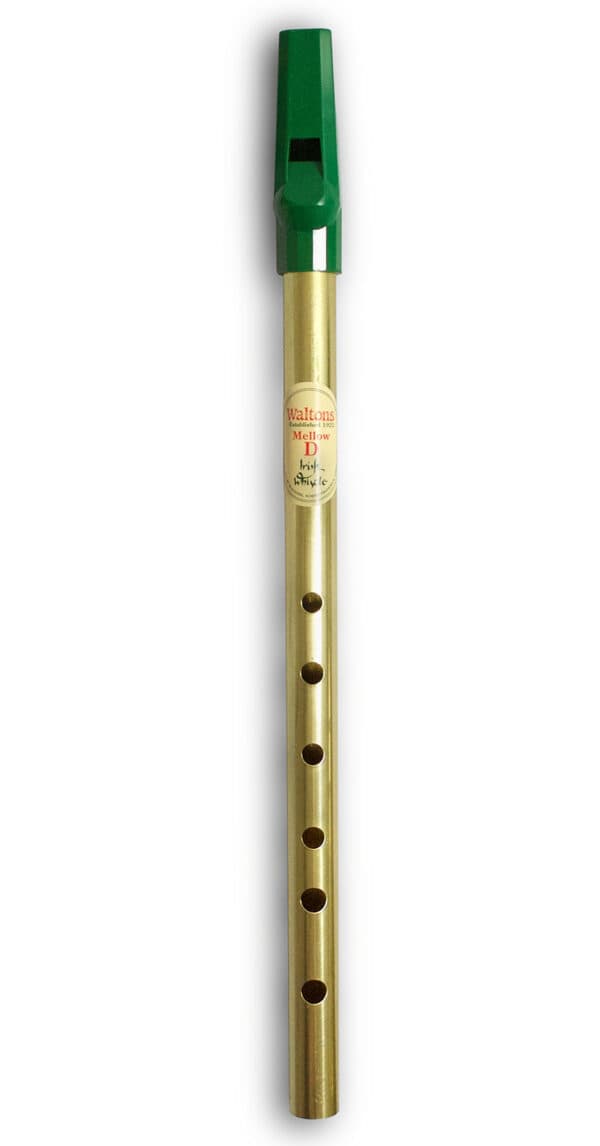
Waltons Mellow D
D • High • Nicht stimmbar
Designed with a slightly wider bore to produce a mellower, sweeter tone that is less piercing in the second octave.
Vorteile
- Wider bore = easier low notes
- Softer high notes (less "shrieky")
- Good for solo play
Nachteile
- Uses more air than standard whistles
- Sound can get "muddy" in a loud session
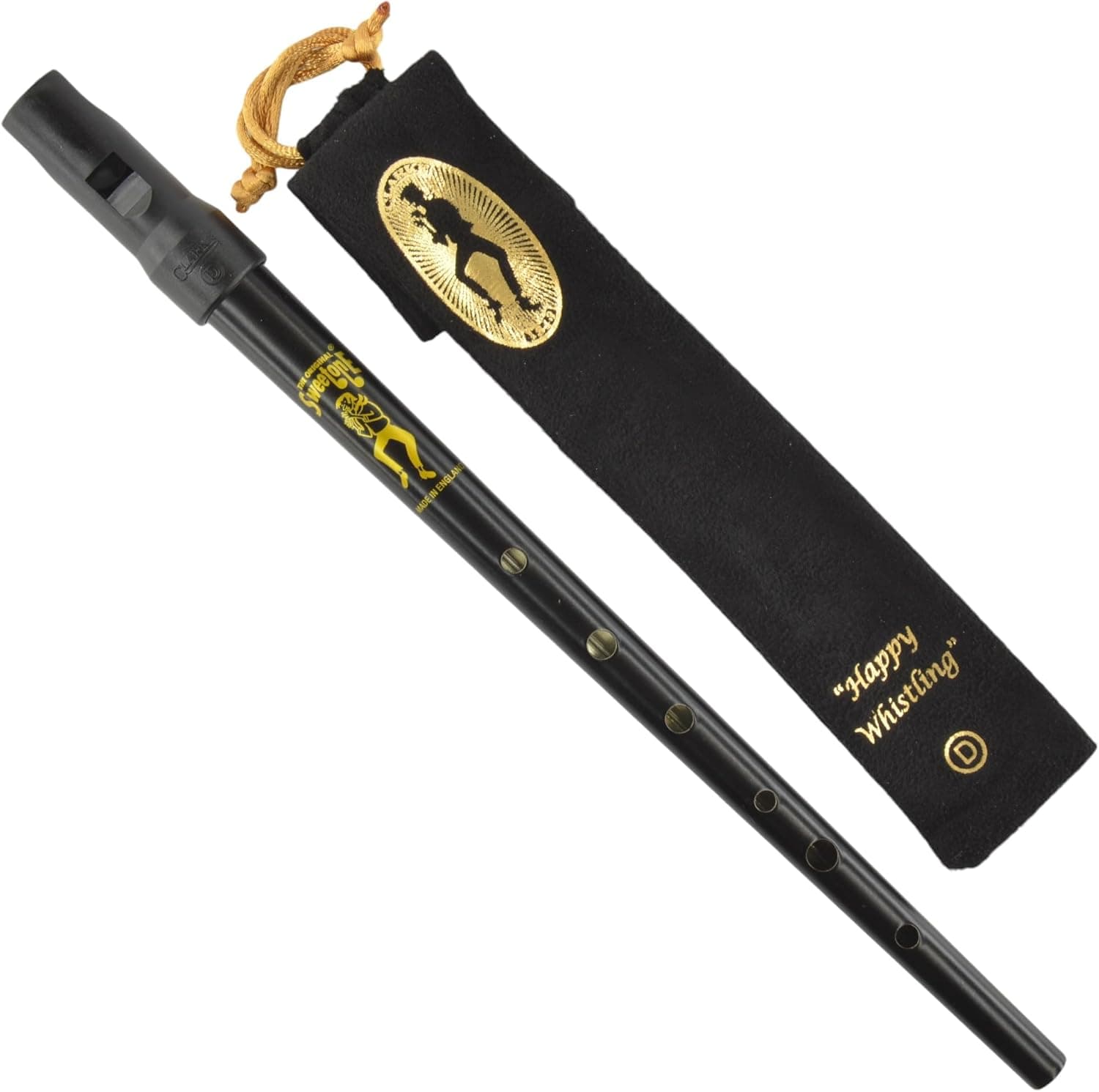
Clarke Sweetone
D • High • Nicht stimmbar
The conical bore gives this a unique, breathy, flute-like tone. It is incredibly easy to fill with air, making it perfect for children or total novices.
Vorteile
- Conical bore makes it very easy to play
- Requires very little air
- Not shrill
Nachteile
- Doesn’t have the traditional "hard" Irish sound
- Too quiet for sessions
Häufig gestellte Fragen
Welche Tonart sollte ich zuerst kaufen?
Starte mit einer Whistle in hohem D. Das ist die Standardtonart für irische Traditionsmusik, die meisten Lernmaterialien und den Unterricht.
Brauche ich eine stimmbare Whistle?
Zum Alleinspielen nicht unbedingt. Wenn du aber mit anderen Musikern spielst (Gitarre, Klavier usw.), ist eine stimmbare Whistle sehr zu empfehlen, damit du dich exakt an deren Tonhöhe anpassen kannst.
Warum klingen günstige Whistles manchmal „schlecht“?
Bei Massenware kann die Qualitätskontrolle schwanken. Meist ist aber die Anfängertechnik (Atemkontrolle) der größte Faktor. Lass dich nicht entmutigen — auch eine günstige, saubere Whistle kann in geübten Händen großartig klingen.