
En tant que Partenaire Amazon, je réalise un bénéfice sur les achats remplissant les conditions requises.
Trouvez votre tin whistle idéal
Que vous soyez grand débutant ou à la recherche de ce son cinématique façon « Riverdance », nous avons testé les meilleures flûtes pour vous aider à choisir la bonne.
Nos meilleures recommandations
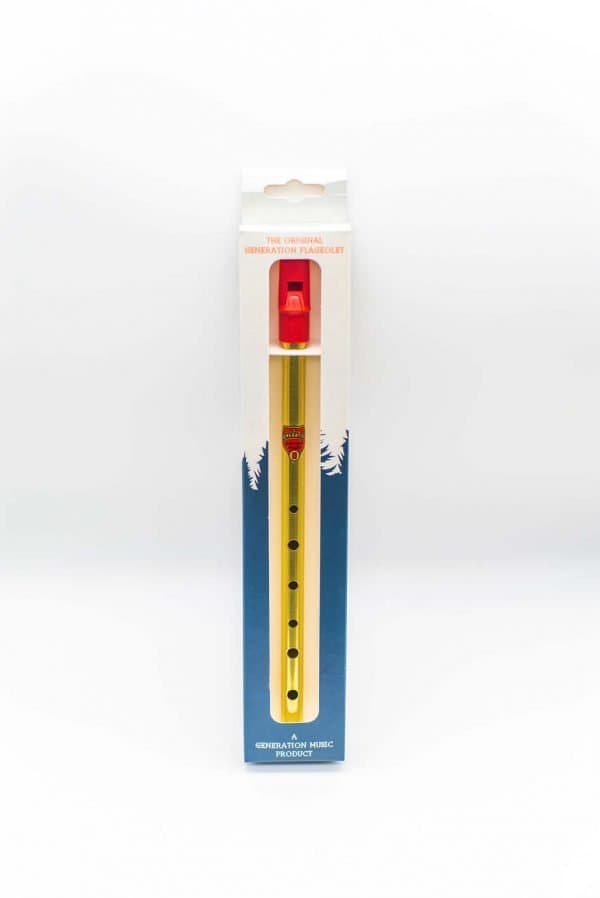
Generation Original
D • High • Non accordable
The ubiquitous whistle found in every Irish gift shop. When good, they are excellent; when bad, they can be scratchy. iconic “chiff” sound.
Points forts
- The classic Irish sound
- Extremely cheap
- Widely available
Points faibles
- Quality control varies (some can be scratchy)
- Not tunable
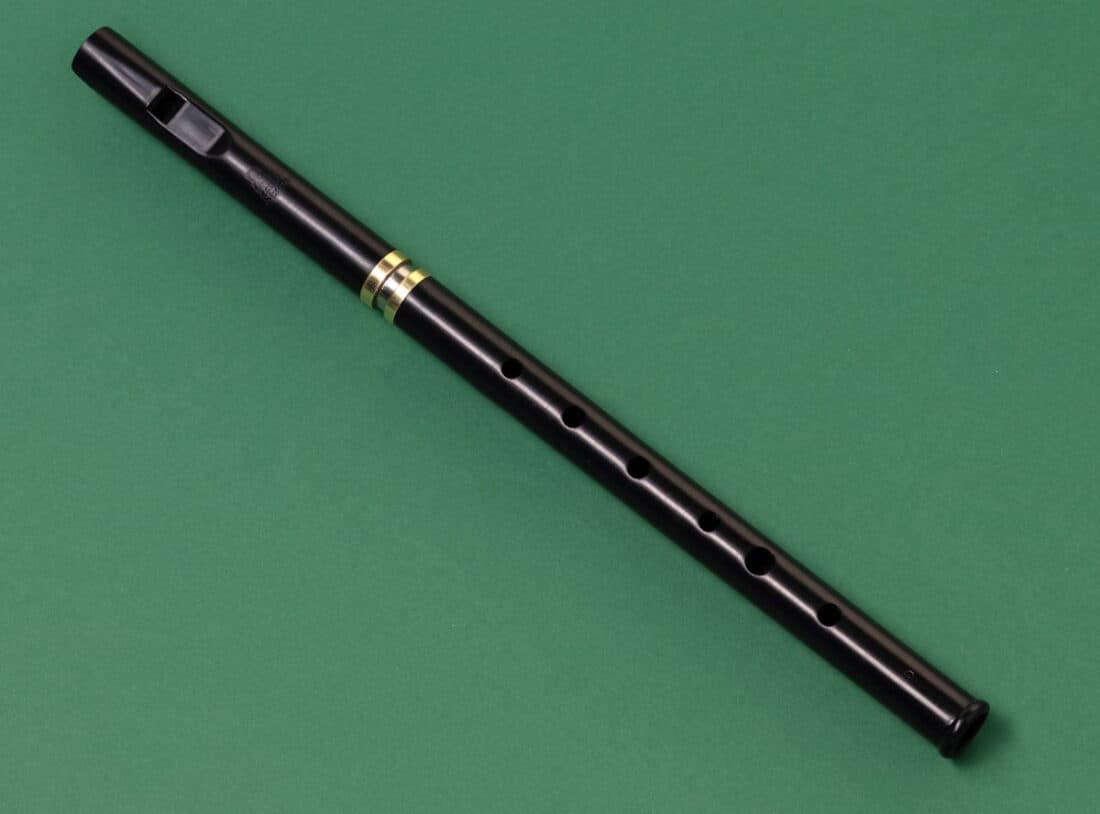
Tony Dixon DX005
D • High • Accordable
A fantastic bridge between budget toys and professional instruments. The tuning slide is a game-changer for playing with others.
Points forts
- Tunable slide
- Very consistent tone
- Modern look and feel
Points faibles
- Some find the tone "too plain" (lacks dirty chiff)
- Polymer can be slippery
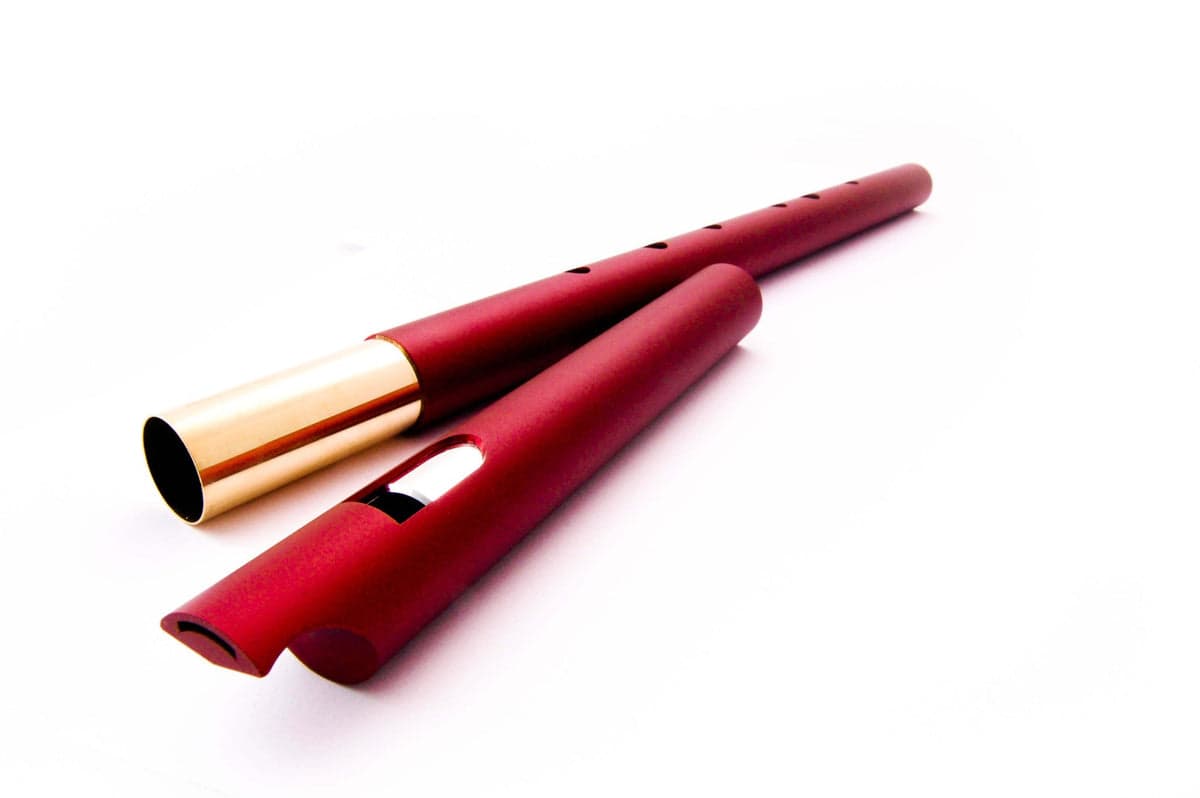
MK Pro Low D
Low D • Low • Accordable
If you hear a low whistle on a movie soundtrack, it’s probably this one. It has a distinctive "cosmic" drainpipe tone that is absolutely mesmerizing.
Points forts
- The gold standard for low whistles
- Indestructible
- Looks amazing
Points faibles
- Expensive investment
- Hole spacing requires "piper’s grip"
Sélecteur de recommandation rapide
Choisissez selon votre objectif
Generation Original
D • High • Non accordable
The ubiquitous whistle found in every Irish gift shop. When good, they are excellent; when bad, they can be scratchy. iconic “chiff” sound.
Points forts
- The classic Irish sound
- Extremely cheap
- Widely available
Points faibles
- Quality control varies (some can be scratchy)
- Not tunable

Feadóg Original Irish
D • High • Non accordable
A solid alternative to Generation, often found to be slightly more consistent in manufacturing. Made in Dublin since 1978.
Points forts
- Slightly more consistent than Generation
- Made in Ireland
- Very affordable
Points faibles
- Can still be shrill in upper octave
- Plastic head seam can be sharp
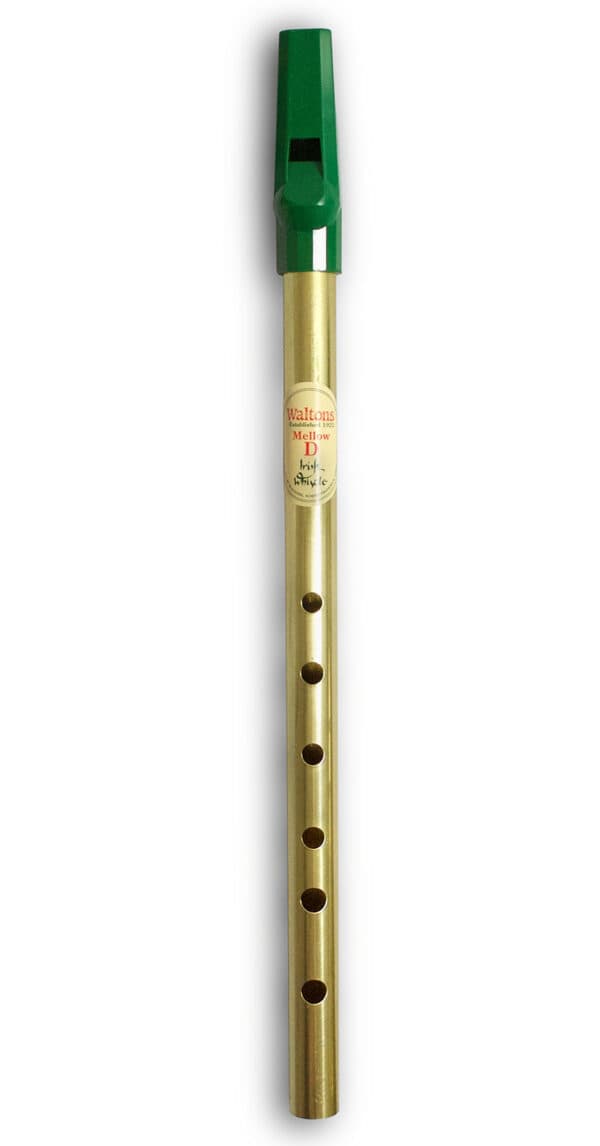
Waltons Mellow D
D • High • Non accordable
Designed with a slightly wider bore to produce a mellower, sweeter tone that is less piercing in the second octave.
Points forts
- Wider bore = easier low notes
- Softer high notes (less "shrieky")
- Good for solo play
Points faibles
- Uses more air than standard whistles
- Sound can get "muddy" in a loud session
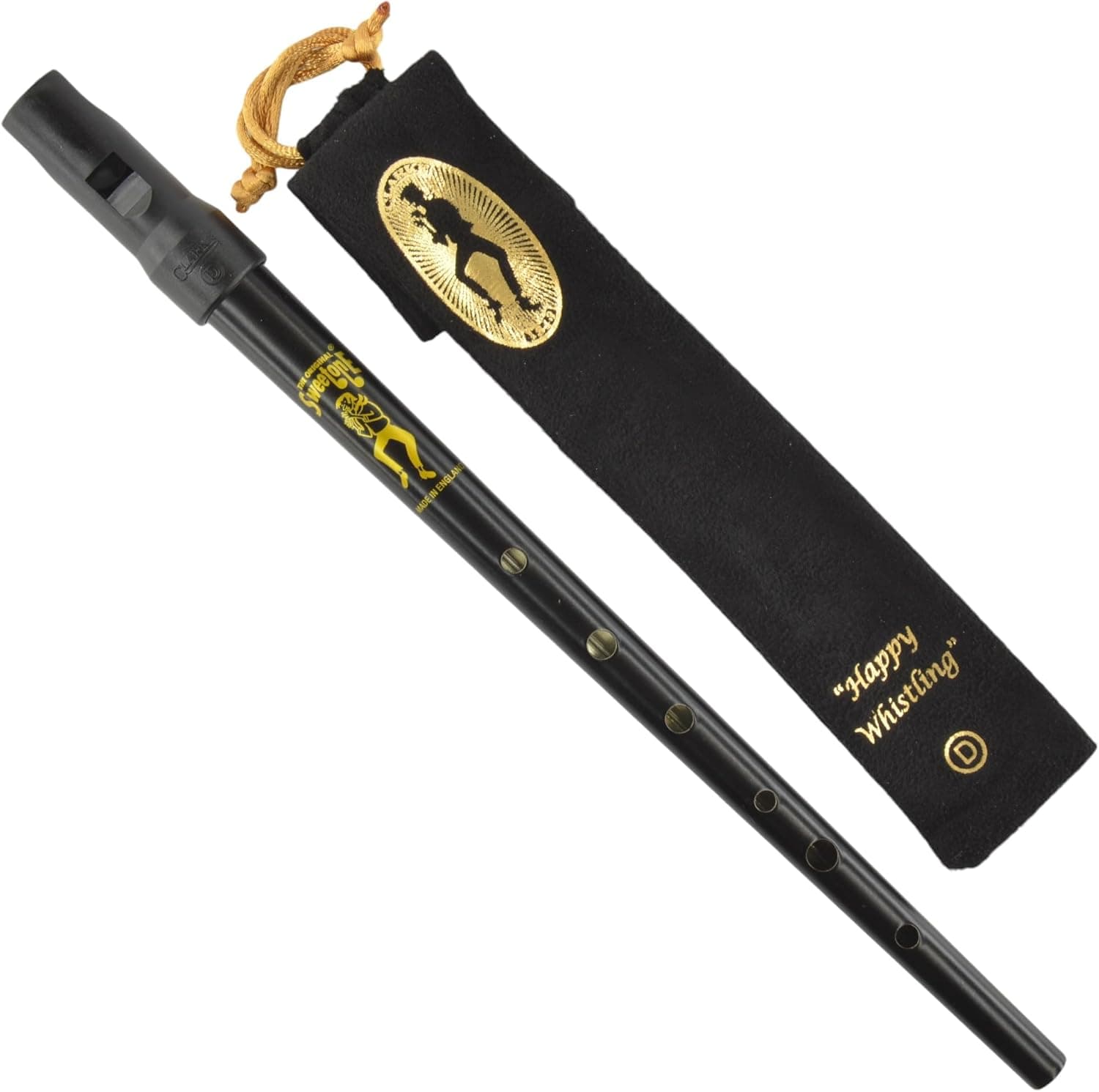
Clarke Sweetone
D • High • Non accordable
The conical bore gives this a unique, breathy, flute-like tone. It is incredibly easy to fill with air, making it perfect for children or total novices.
Points forts
- Conical bore makes it very easy to play
- Requires very little air
- Not shrill
Points faibles
- Doesn’t have the traditional "hard" Irish sound
- Too quiet for sessions
Foire aux questions
Quelle tonalité acheter en premier ?
Commencez par un whistle en ré aigu (High D). C’est la tonalité de référence pour la musique traditionnelle irlandaise, la plupart des supports d’apprentissage et les cours.
Ai-je besoin d’un whistle accordable ?
Pour jouer seul, pas nécessairement. En revanche, si vous comptez jouer avec d’autres musiciens (guitare, piano, etc.), un whistle accordable est vivement recommandé pour vous caler exactement sur leur hauteur.
Pourquoi les whistles bon marché sonnent-ils parfois « mal » ?
Les whistles produits en série peuvent avoir un contrôle qualité variable. Mais la technique du débutant (le contrôle du souffle) est souvent le facteur principal. Ne vous découragez pas : même un whistle bon marché mais propre peut sonner magnifiquement entre des mains expérimentées.