
As an Amazon Associate I earn from qualifying purchases.
Find Your Perfect Tin Whistle
Whether you're a complete beginner or looking for that cinematic "Riverdance" sound, we've tested the best whistles to help you choose the right one.
Our Top Recommendations
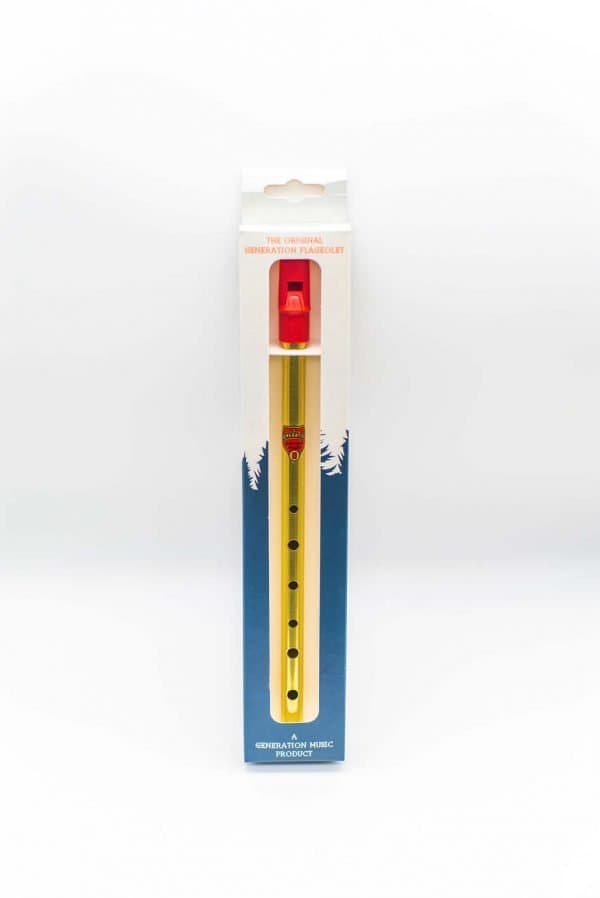
Generation Original
D • High • Non-tunable
The ubiquitous whistle found in every Irish gift shop. When good, they are excellent; when bad, they can be scratchy. iconic “chiff” sound.
Pros
- The classic Irish sound
- Extremely cheap
- Widely available
Cons
- Quality control varies (some can be scratchy)
- Not tunable
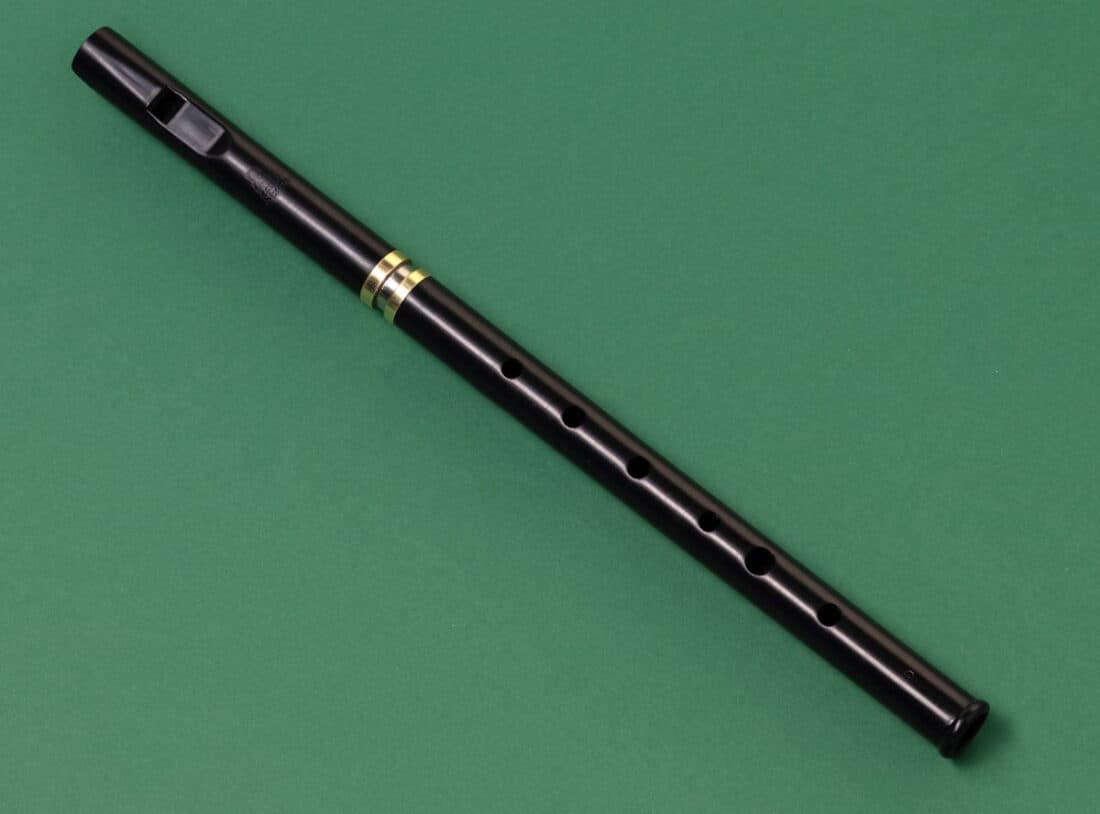
Tony Dixon DX005
D • High • Tunable
A fantastic bridge between budget toys and professional instruments. The tuning slide is a game-changer for playing with others.
Pros
- Tunable slide
- Very consistent tone
- Modern look and feel
Cons
- Some find the tone "too plain" (lacks dirty chiff)
- Polymer can be slippery
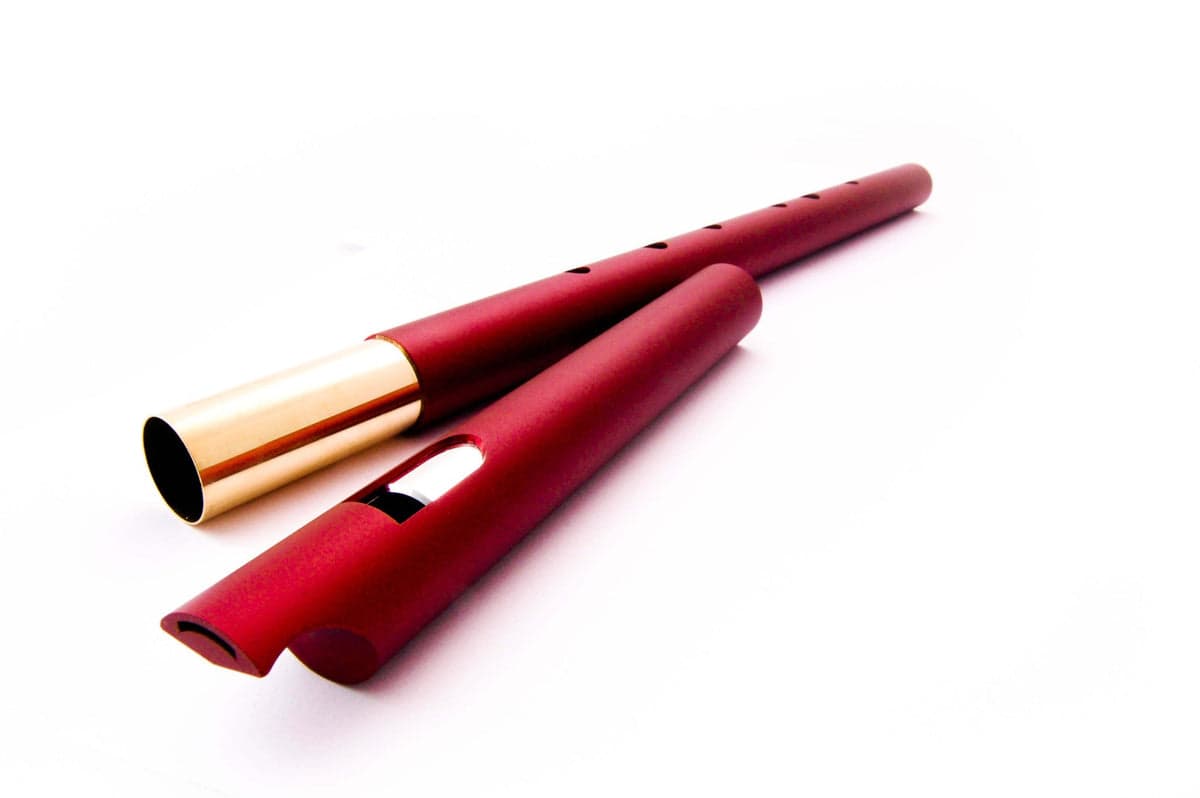
MK Pro Low D
Low D • Low • Tunable
If you hear a low whistle on a movie soundtrack, it’s probably this one. It has a distinctive "cosmic" drainpipe tone that is absolutely mesmerizing.
Pros
- The gold standard for low whistles
- Indestructible
- Looks amazing
Cons
- Expensive investment
- Hole spacing requires "piper’s grip"
Quick Recommendation Picker
Select based on your goal
Generation Original
D • High • Non-tunable
The ubiquitous whistle found in every Irish gift shop. When good, they are excellent; when bad, they can be scratchy. iconic “chiff” sound.
Pros
- The classic Irish sound
- Extremely cheap
- Widely available
Cons
- Quality control varies (some can be scratchy)
- Not tunable

Feadóg Original Irish
D • High • Non-tunable
A solid alternative to Generation, often found to be slightly more consistent in manufacturing. Made in Dublin since 1978.
Pros
- Slightly more consistent than Generation
- Made in Ireland
- Very affordable
Cons
- Can still be shrill in upper octave
- Plastic head seam can be sharp
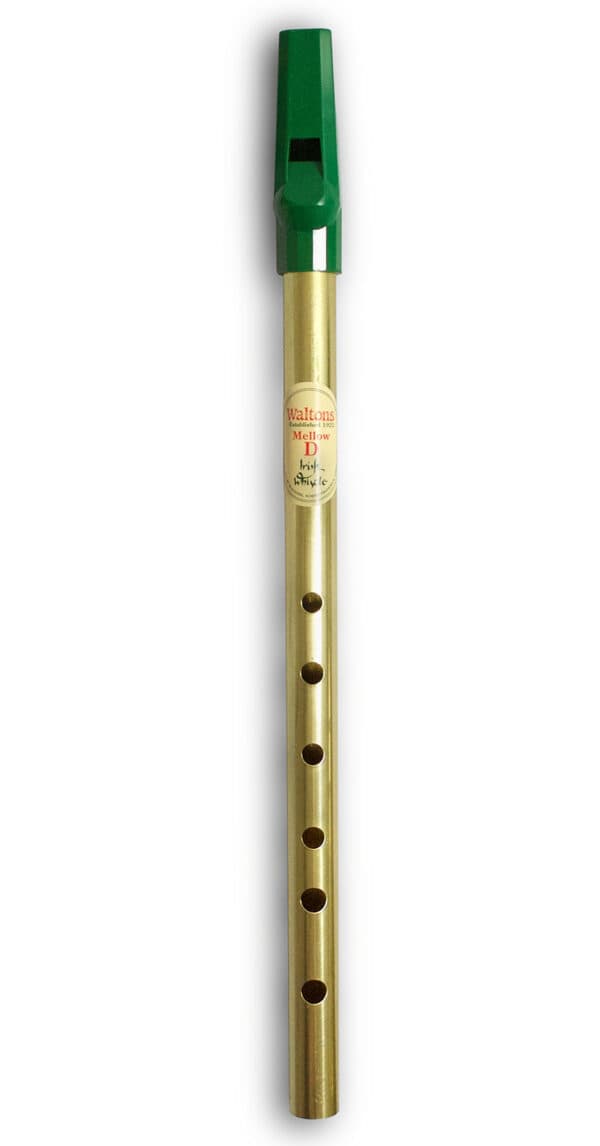
Waltons Mellow D
D • High • Non-tunable
Designed with a slightly wider bore to produce a mellower, sweeter tone that is less piercing in the second octave.
Pros
- Wider bore = easier low notes
- Softer high notes (less "shrieky")
- Good for solo play
Cons
- Uses more air than standard whistles
- Sound can get "muddy" in a loud session
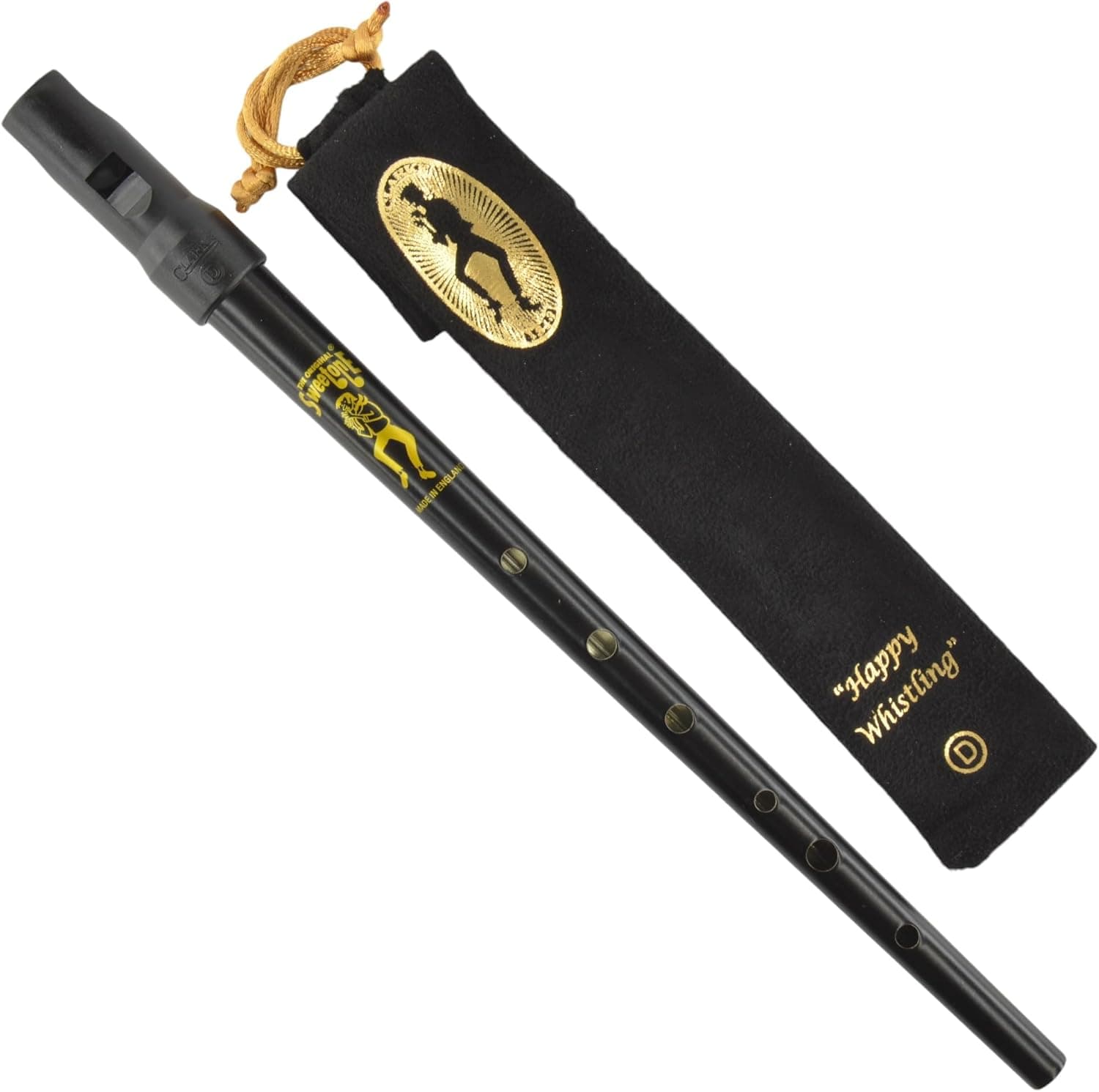
Clarke Sweetone
D • High • Non-tunable
The conical bore gives this a unique, breathy, flute-like tone. It is incredibly easy to fill with air, making it perfect for children or total novices.
Pros
- Conical bore makes it very easy to play
- Requires very little air
- Not shrill
Cons
- Doesn’t have the traditional "hard" Irish sound
- Too quiet for sessions
Frequently Asked Questions
Which key should I buy first?
Start with a High D whistle. It is the standard key for Irish traditional music, most learning materials, and classes.
Do I need a tunable whistle?
For solo play, no. However, if you plan to play with other musicians (guitar, piano, etc.), a tunable whistle is highly recommended so you can match their pitch exactly.
Why do cheap whistles sometimes sound "bad"?
Mass-produced whistles can have variable quality control. However, beginner technique (breath control) is often the biggest factor. Don't be discouraged—even a cheap clean whistle can sound great in skilled hands.